Monster Hunter Wilds: 10 Mistakes to Avoid
Ten Monster Hunter Wilds mistakes that quietly cost you rewards, damage and materials — each one checked against Capcom's own web manual.
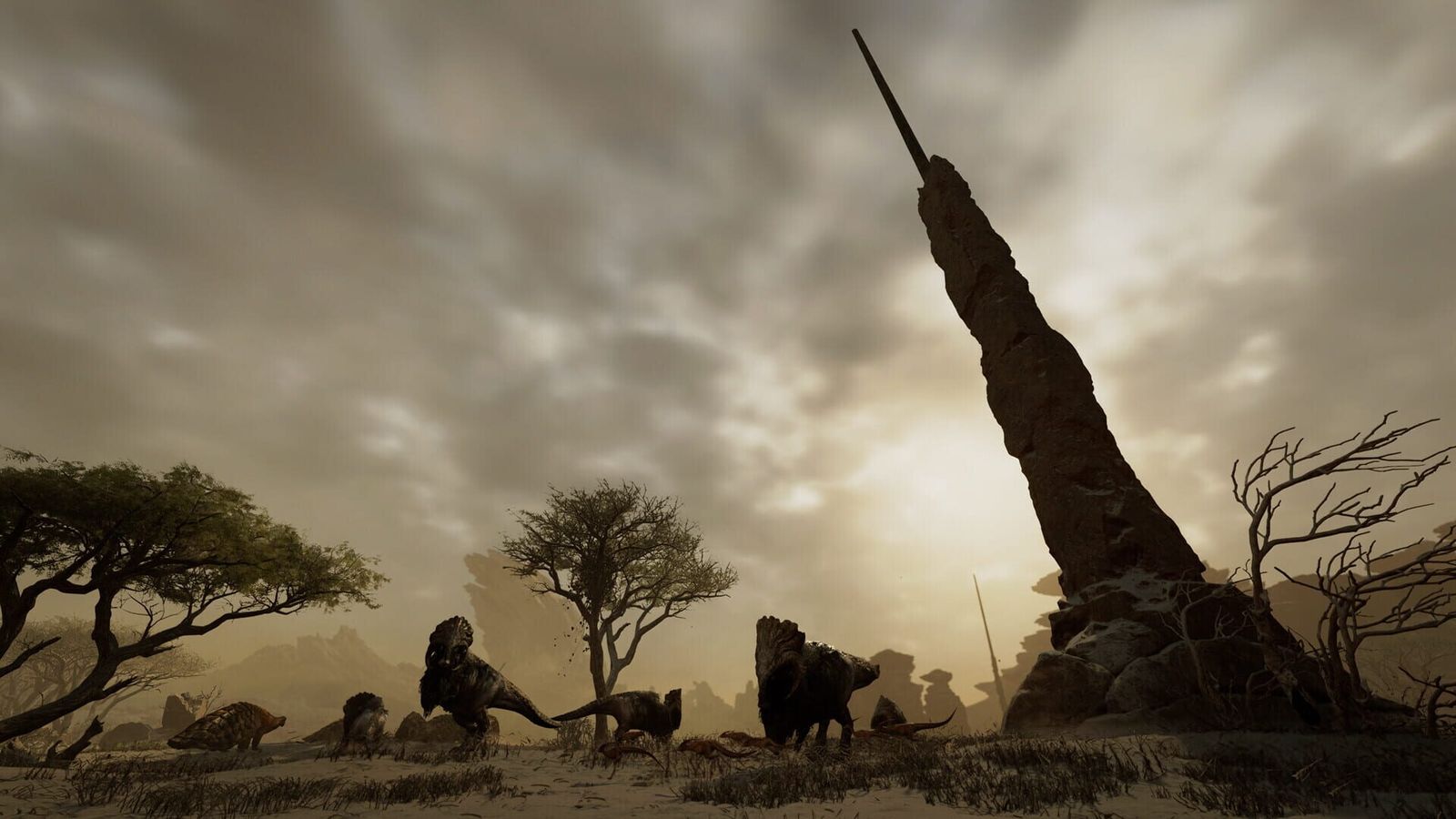
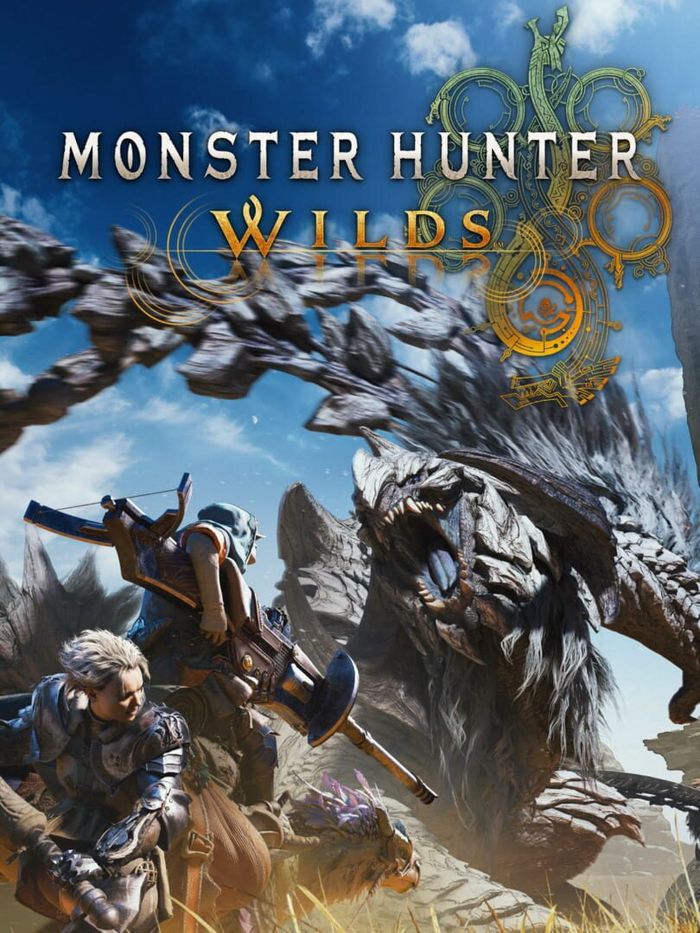
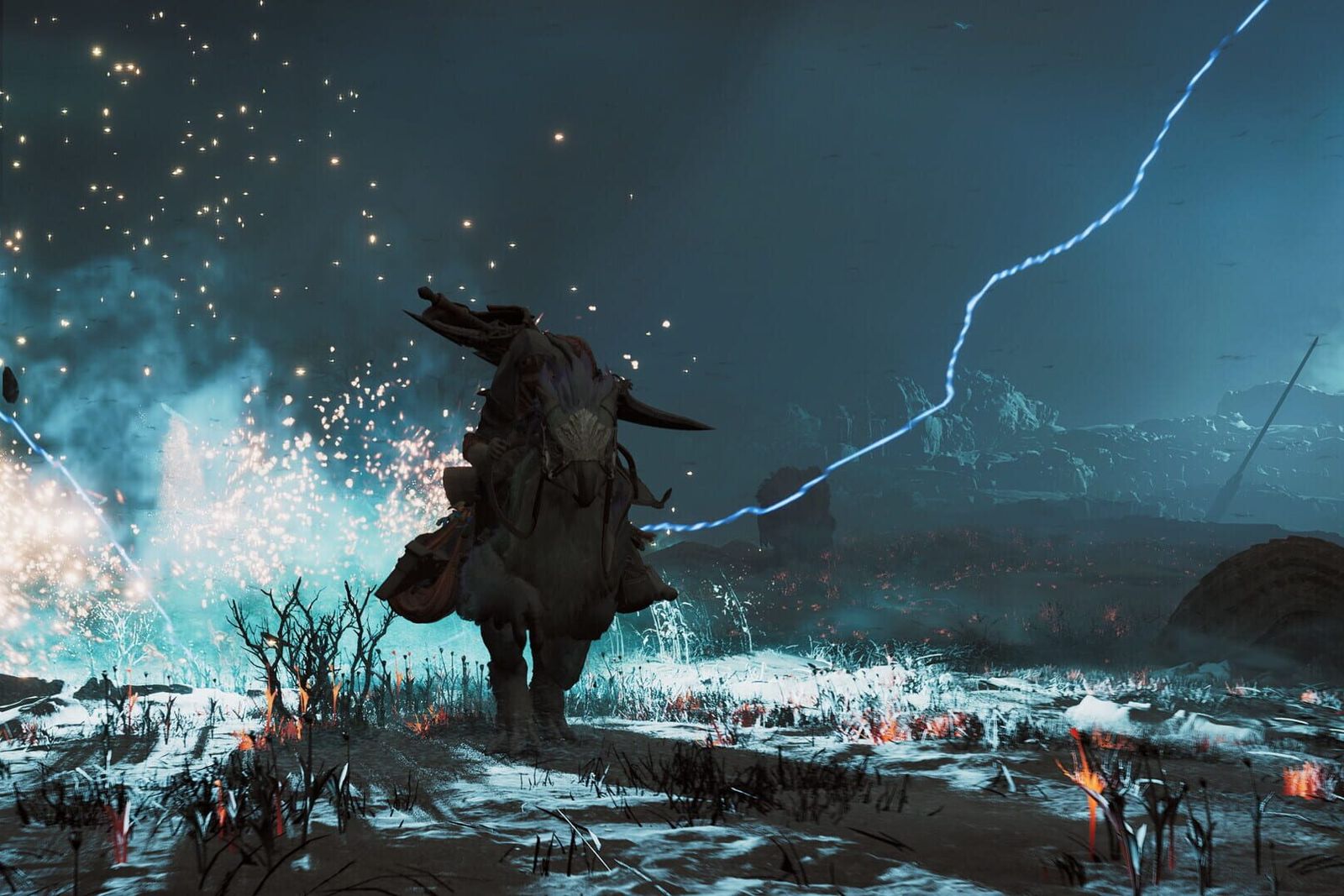
Monster Hunter Wilds is the sixth mainline entry in Capcom's hunting series and the first built entirely around an environment that refuses to stay still. Each of its regions cycles through three phases — Plenty, Fallow and Inclemency — on its own independent clock, so one map can be teeming with herds while another is being flattened by a sandstorm. Capcom's own manual is blunt about the consequence: some monsters “only appear during Inclemency.”
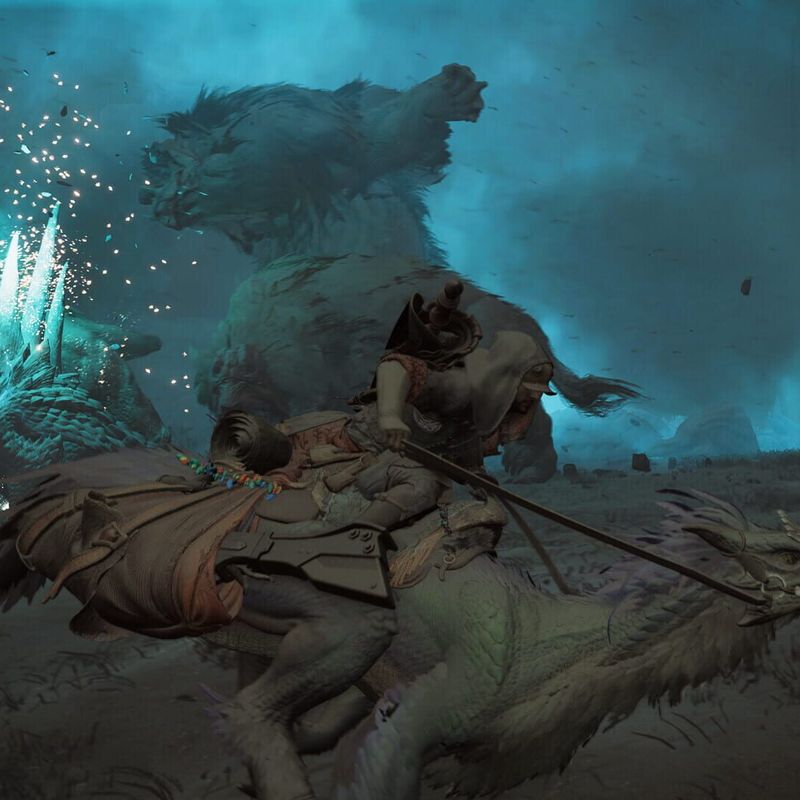
The systems around that idea are the biggest structural rewrite the series has attempted. Every hunter rides a Seikret, a running mount that auto-navigates to a pinned objective and carries a second weapon in a sling, so a hunt can switch discipline mid-fight. Focus Mode reorients attacks toward wherever the camera points and lights up wounds, which tear open in stages and then detonate under a Focus Strike. Fourteen weapon types return, split eleven Blademaster to three Gunner.
It is also the most commercially eventful Monster Hunter release. Wilds moved eight million units in three days — the fastest in Capcom's history — and ten million inside a month, then spent a year and a half fighting a PC version that critics scored in the high eighties and Steam users did not. A paid Master Rank expansion, Ascendance, is due in 2027.
Wilds is playable on PC, PlayStation 5 and Xbox Series X|S. A Nintendo Switch 2 version is scheduled for 4 December 2026.
Ten Monster Hunter Wilds mistakes that quietly cost you rewards, damage and materials — each one checked against Capcom's own web manual.
All 14 Monster Hunter Wilds weapons in one table: what each does, which can guard, and the Offset, Power Clash and Focus Strike each one gets.
Twelve things Monster Hunter Wilds doesn't explain well: Focus Mode wounds, the Seikret's second weapon, meals, camps, and how quests actually fail.