Is Elden Ring Nightreign Worth It? Critics vs Players
Critics settled at 80 on OpenCritic while Steam players sit at 82% positive. We weigh the split, the PC caveats and the solo problem, and show the maths behind 7.9.

Verdict
A genuinely strange, genuinely good idea: Elden Ring's combat compressed into short co-op runs. It is at its best with two friends and at its worst alone, and the PC version's 60 fps cap and stutter are still unfixed. Worth it if you have a trio.
What works
- Elden Ring's combat and bestiary, restructured into sessions you can finish in one sitting.
- Ten distinct Nightfarers with fixed kits, so team composition is a real decision rather than a stat sheet.
- Substantial free post-launch support: Everdark Sovereigns, the Deep of Night ladder and balance passes into 2026.
- Critical and player sentiment both land favourably: 80 on OpenCritic, 82% positive across 191,492 Steam reviews.
What doesn't
- Solo play is the weakest mode by critical consensus, and the detailed community guidance is written for trios.
- The PC version is capped at 60 fps with no upscaling or frame generation, and documented microstutter.
- It reuses a great deal of Elden Ring's content, which several critics named as the reason for scores below FromSoftware's usual band.
Elden Ring Nightreign is worth playing if you have two people to play it with, and a considerably harder recommendation if you do not. That is where a year of published criticism and player sentiment converge, and it is where our score of 7.9 comes from: OpenCritic's critic consensus of 80, weighted at 70%, and the 78% of recent Steam reviews that are positive, weighted at 30%.
What follows is how we got there: what the eight scored reviews on the record actually argue, what 191,492 Steam reviews say more than a year after launch, and where the two disagree. The OpenCritic and Steam figures in this review were re-checked on 25 September 2026; the per-platform Metacritic scores were last read on 20 September 2026.
A roguelike built out of Elden Ring's parts
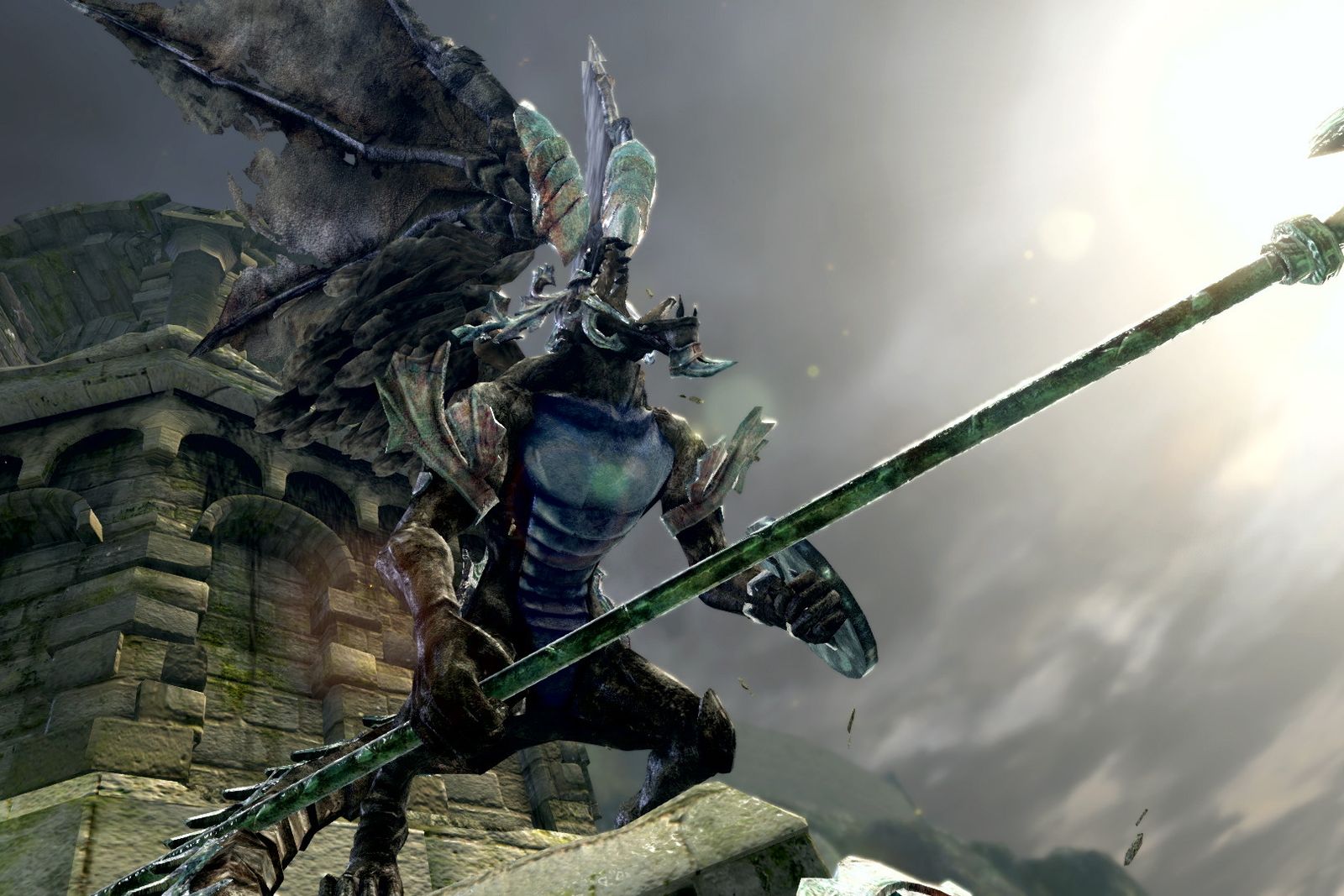
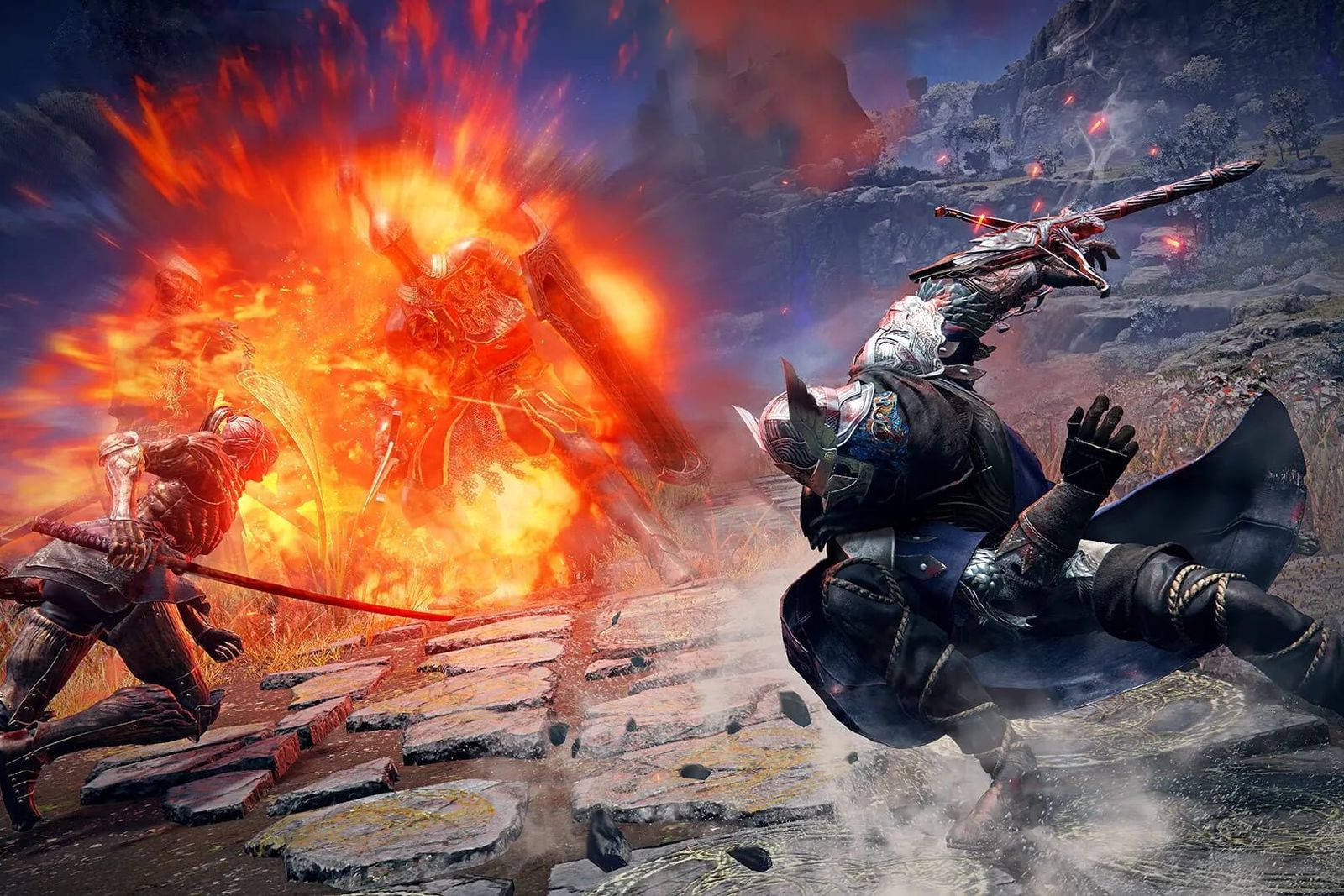
Nightreign takes Elden Ring's combat, weapons and bestiary and rebuilds them into a session game. A squad of up to three Nightfarers drops into Limveld, gets three in-game days before a Nightlord, and loses playable map to an encroaching ring of Night on each of those days. Progress between runs is carried by Relics rather than by a character sheet, and the Nightfarers are fixed archetypes with a Character Skill and an Ultimate Art instead of free-form builds.
Structurally it is the inverse of the game it is made from: fast where Elden Ring is slow, cooperative where Elden Ring is solitary, disposable where Elden Ring is permanent. That inversion is the thing every review in the set ends up arguing about, in one direction or the other. Our complete Nightreign guide covers the systems in full.
How we got to 7.9
AFK Journal does not claim first-hand play, and this review does not pretend to any. What it is instead is an evidence-based verdict: we aggregate published criticism, the major score aggregators and player sentiment, all dated and linked, and derive a single number from them with the reasoning shown rather than asserted.
The method fits in two lines. Seventy per cent of the score is critic consensus (OpenCritic's Top Critic Average, divided by ten); thirty per cent is player sentiment (Steam's share of positive reviews, divided by ten), using the all-time figure for a game's first 60 days and the last 30 days after that. A correction of up to half a point either way is allowed only for problems documented by at least two independent sources, and is always explained.
Here that means OpenCritic's Top Critic Average of 80 (79.8 before rounding, from 97 Top Critic reviews) becomes a critic score of 8.0, with Metacritic's PC score of 79 agreeing to within a point. Nightreign is well past its first 60 days, so the player half uses recent sentiment: 78% of the 1,709 Steam reviews posted in the 30 days to 25 September 2026 were positive, a player score of 7.75. The sum is 0.7 × 8.0 + 0.3 × 7.75 = 7.925, which rounds to 7.9.
We have not used the correction. The PC version's 60 fps cap, missing upscaling and stutter are real, and the section below covers them, but Steam reviews are PC reviews: those complaints are already inside the player half of the score, and deducting for them again would count them twice.
What the critics actually said
Eight scored reviews sit on OpenCritic's listing with named reviewers, and they cover an unusually wide band for a FromSoftware release — two nines at one end, a six at the other.
| Aggregator | Platform | Score | Date checked |
|---|---|---|---|
| OpenCritic | All platforms | 80 Top Critic Average (79.8 unrounded), tier "Strong": 184 reviews, 75% recommend | 25 September 2026 |
| Metacritic | PC | 79 from 58 critic reviews | 20 September 2026 |
| Metacritic | PlayStation 5 | 77 from 91 critic reviews; user score 6.8 from 1,399 ratings | 20 September 2026 |
| Metacritic | Xbox Series X | 84 from 10 critic reviews | 20 September 2026 |
| Steam | PC, all reviews, all languages | Very Positive, 82% of 191,492 (English only: 87% of 97,056) | 25 September 2026 |
| Steam | PC, last 30 days, all languages | 78% of 1,709 (English only: 83% of 682), counted from Steam's review API | 25 September 2026 |
| Outlet | Reviewer | Score |
|---|---|---|
| GameSpot | Richard Wakeling | 9/10 |
| Game Rant | Matt Karoglou | 9/10 |
| Fextralife | Fexelea | 8.7/10 |
| PC Gamer | Tyler Colp | 80/100 |
| Eurogamer | Ed Nightingale | 4/5 |
| IGN | Mitchell Saltzman | 7/10 |
| DualShockers | Ethan Krieger | 7/10 |
| Metro GameCentral | Not credited on the listing | 6/10 |
One note on sourcing before the summaries. The wording of these reviews was read from OpenCritic's listing rather than from the outlets' own pages, and we tried to open each review directly to confirm the phrasing and could not: GameSpot returned a 403, IGN, Eurogamer and Metro were unreachable from our environment, and PC Gamer's article body came back truncated. So what follows is paraphrase with attribution, not quotation. Every outlet is linked; if the exact wording matters to you, read it at the source.
GameSpot's Richard Wakeling sits at the top of the range with a 9/10, crediting the game with compressing what makes Elden Ring work into something fast and multiplayer-shaped. Eurogamer's Ed Nightingale, at 4/5, reads it as a thrilling victory lap through the studio's back catalogue.
IGN's Mitchell Saltzman lands at 7/10 and is the most useful review in the set for anyone deciding whether to buy, because it holds two things at once: it rates the three-player game as one of the best co-op experiences going, and singles out how punishing the solo mode is. PC Gamer's Tyler Colp, at 80/100, cautions that Nightreign is no more legible or forgiving than the rest of FromSoftware's catalogue.
Metro GameCentral's 6/10 is the outlier and the most useful dissent in the set. Its argument is that Elden Ring's parts never quite fit the roguelike frame built around them — which is the same observation the nines are making, read from the other side.
The solo problem
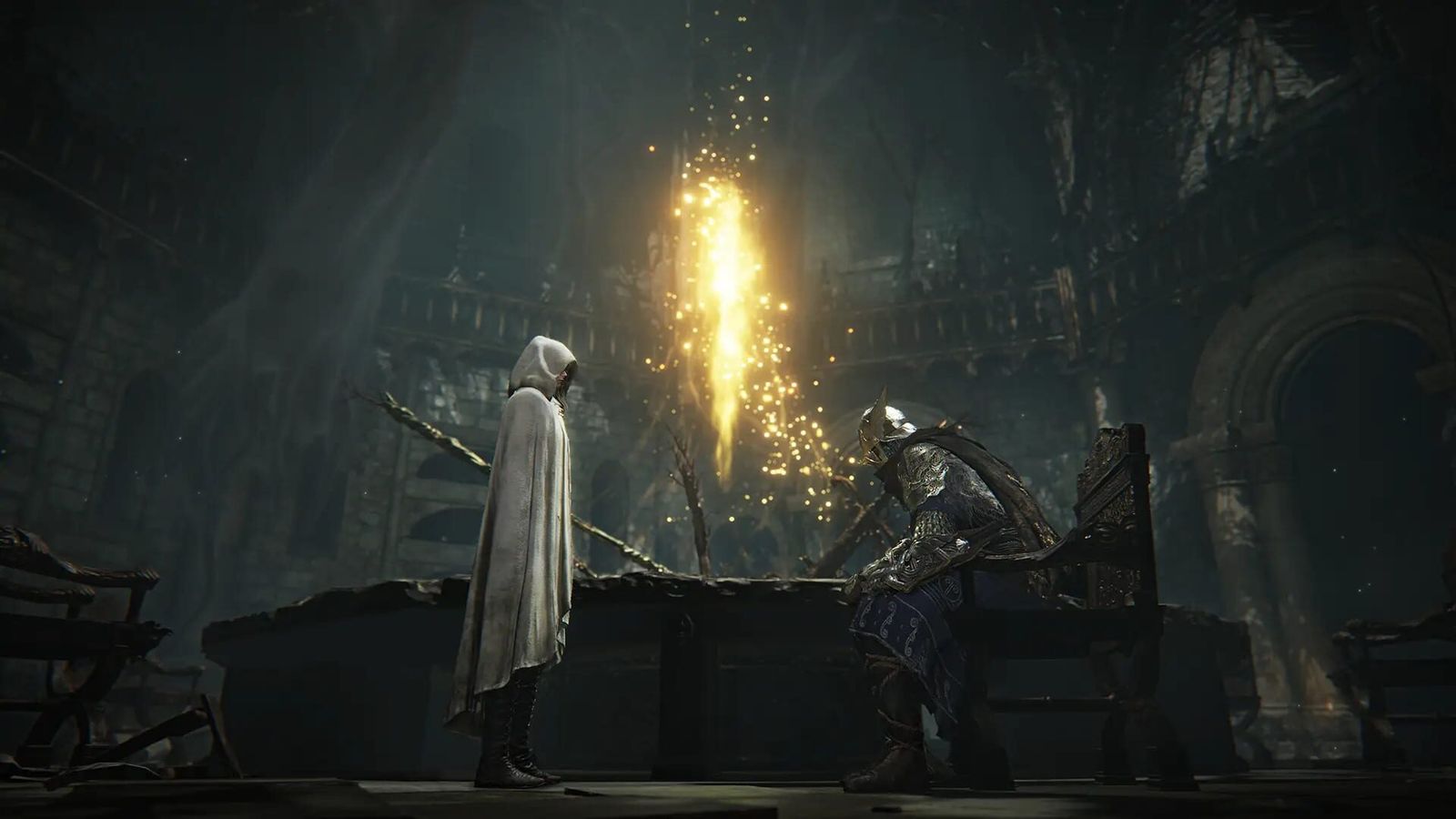
If this set of reviews agrees on one thing, it is the shape of the split. Nightreign is excellent in a trio and noticeably less rewarding alone. IGN's review is the clearest statement of it, praising the co-op and flagging the solo difficulty in the same breath, and the pattern repeats across the rest of the band.
FromSoftware has moved on this. Two-player expeditions arrived in patch 1.02 on 31 July 2025, which takes the edge off for anyone with exactly one friend rather than two. But solo remains the mode the game was not designed around, and the community's detailed guidance — tier lists, boss routing, revive priorities — is almost entirely written for trios. Our Nightfarer tier list says as much in as many words, because the honest answer to who is best solo is that nobody has documented it properly.
That matters for the recommendation more than the score does. A 7.9 that assumes you have people to play with is a different product from a 7.9 you are buying to play alone, and no single number can carry that distinction on its own.
What the PC version costs you
The PC build was the reason for a deduction in the first version of this review, so it deserves specifics. Nightreign is capped at 60 fps with no in-game way to lift it. It ships with no DLSS, no FSR and no frame generation. And PC Gamer's performance analysis of the port found microstutter that does not resolve on faster hardware, because the bottleneck is the processor rather than the graphics card.
None of that is fatal. A locked 60 is perfectly playable, and the published requirements are modest enough that most machines will hold it. But it is a permanent characteristic of the version rather than a launch bug: more than a year of patches has not changed it, and a reader buying the PC version today will meet all three. Our PC settings guide covers what actually helps and, just as usefully, what does not.
What players say after a year
Steam is warmer than the critics, if less so than it looks at first glance. On 25 September 2026 the store read Very Positive: 82% of 191,492 reviews across all languages were positive, and 78% of the 1,709 posted in the previous 30 days. English-language reviews run warmer than the overall figure, at 87% all time and 83% over those 30 days. The gap between an 80 critic average and those figures is the familiar one: reviewers score a game against what it could have been, players against what they wanted from it.
The recent window is the more interesting figure of the two. More than a year after launch, with a paid expansion and a difficulty ladder added since, the game is still drawing about 1,700 reviews a month across all languages and still landing at 78% positive. It has not been abandoned, and it has cooled only slightly.
That sentiment also has to be read against how much has been added. The Everdark Sovereign boss rotation ran through the summer of 2025; the free Deep of Night difficulty ladder arrived in September 2025; The Forsaken Hollows expansion landed in December 2025; and balance patches continued into 2026, the most recent being Hotfix 1.03.5 on 31 March 2026. There is meaningfully more game here than the launch reviews were scoring.

The verdict
Our score is 7.9, Good. It is 70% critic consensus (8.0) and 30% recent Steam sentiment (7.75), arrived at by the method set out above, and it is our number: not an average of the outlets in the table, which are evidence in this article rather than a rating on it.
Buy it if you have two people who will play it with you, or one, now that duos exist. Wait, or skip it, if you were planning to play alone and expecting Elden Ring's pacing to survive the translation. Everything Nightreign is good at, it is good at in company. For everything else about the game, the Nightreign hub collects our guides in one place.
FAQ
What score did Elden Ring Nightreign get?
OpenCritic's Top Critic Average is 80 across 184 reviews, with 75% of critics recommending it, checked on 25 September 2026. Metacritic read 79 on PC, 77 on PS5 and 84 on Xbox Series X when checked on 20 September. Our own derived score is 7.9.
Is Nightreign worth playing solo?
It is playable solo, but critics consistently rated solo as its weakest mode, and IGN singled out the solo difficulty in an otherwise positive review. Two-player expeditions were added in patch 1.02 in July 2025 if you have one friend rather than two.
Do Steam players like Nightreign?
Mostly, yes. On 25 September 2026 Steam showed Very Positive, with 82% of 191,492 reviews positive across all languages and 78% of the 1,709 posted in the previous 30 days. English-language reviews run warmer, at 87% all time.
Is Nightreign worth it in 2026?
With the Deep of Night ladder, The Forsaken Hollows expansion and balance patches through March 2026, there is far more content now than at launch. The co-op requirement has not changed, so the answer still depends on who you play with.
- Elden Ring Nightreign — Top Critic Average and review listing — OpenCritic
- Elden Ring Nightreign — critic and user scores — Metacritic
- Elden Ring Nightreign on Steam — review summary — Steam
- Elden Ring Nightreign review — GameSpot
- Elden Ring Nightreign review — IGN
- Elden Ring Nightreign review — Eurogamer
- Elden Ring Nightreign review — PC Gamer
- Elden Ring Nightreign review: prepare to cooperate — Metro GameCentral
- Elden Ring Nightreign PC performance analysis — PC Gamer
- Elden Ring Nightreign news and patch index — Bandai Namco Entertainment Europe
Rescored with our current method (70% OpenCritic Top Critic Average, 30% Steam positive share over the last 30 days): 7.8 Great becomes 7.9 Good. The first version used critic consensus minus 0.2 for the PC version, and its Great label did not match our score bands. Steam figures now count all languages and were re-read on 25 September 2026.
Re-checked the OpenCritic, Metacritic and Steam figures and restated the date they were read.