Terraria Secret Seeds: All 37 Codes in 1.4.5 and What They Do
Terraria 1.4.5 has 37 secret world seeds, from 'too easy' to the vampire seed. Every code, what each one changes, and how to enter and combine them.
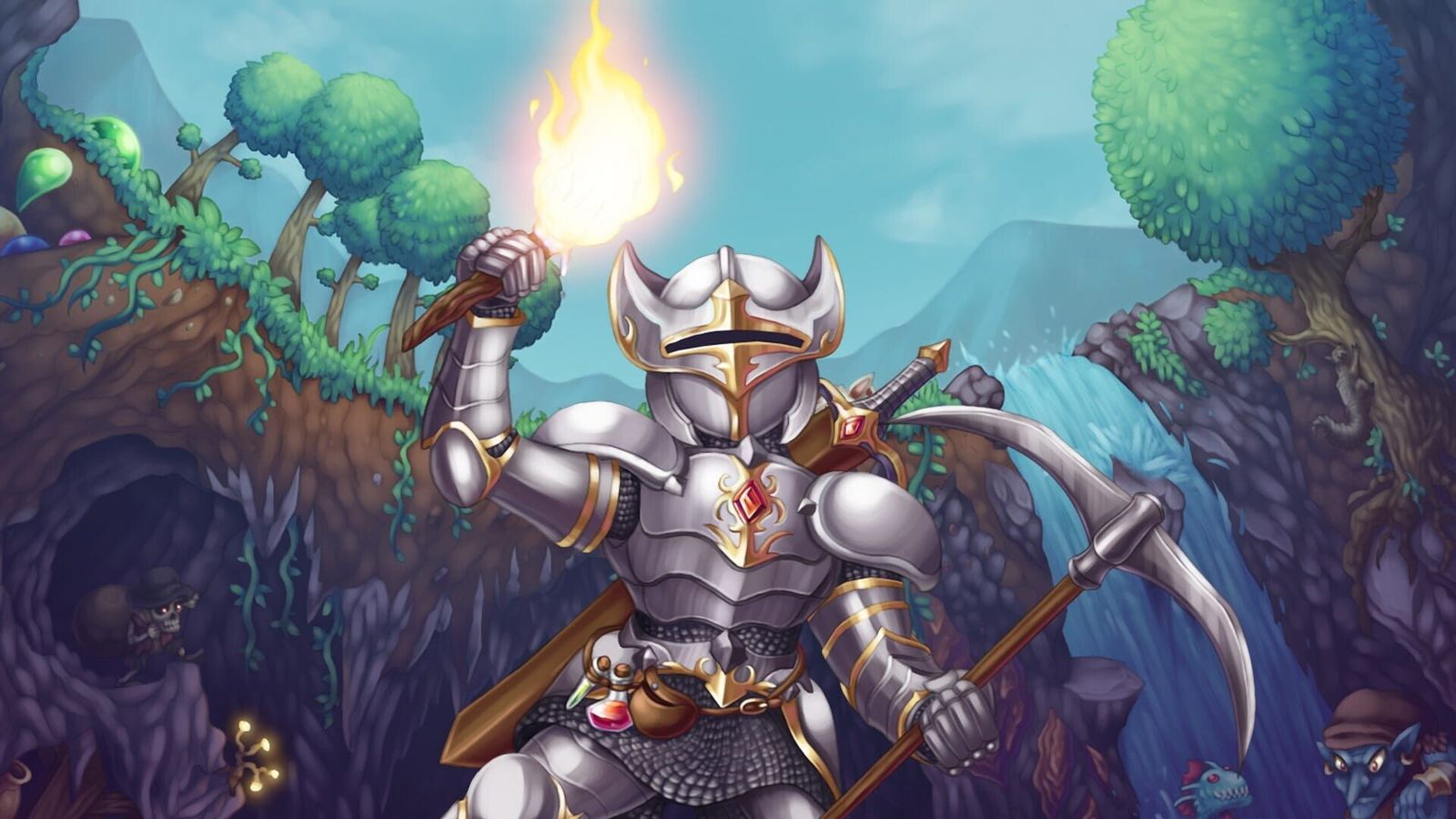
Terraria looks like a 2D Minecraft for about twenty minutes, and then stops looking like one at all. Its world is procedurally generated and destructible in the same way, but progression is gated by bosses rather than by imagination: each one you kill changes what ore spawns, what the merchants sell, and which biome becomes survivable. Beat the Wall of Flesh and the entire world converts to Hardmode around you, permanently.
That structure is what makes it a game rather than a toy. There are defined classes — melee, ranged, magic, summoner — expressed purely through the gear you equip, a town of NPCs who move in when you meet their conditions, and an event calendar of blood moons, invasions and eclipses that arrive whether or not you are ready. Building matters because NPC housing and arena design are mechanical, not decorative.
Re-Logic has also kept an unusual promise. Terraria launched in May 2011 at ten dollars, has never raised its price, has never sold a microtransaction, and was still shipping major free content in 2026 — the 1.4.5 “Bigger and Boulder” update arrived in January 2026, in the game's fifteenth year. Crossplay is next. Its mod scene, built on the free tModLoader, remains one of the largest attached to any premium game.
Terraria 1.4.5 has 37 secret world seeds, from 'too easy' to the vampire seed. Every code, what each one changes, and how to enter and combine them.
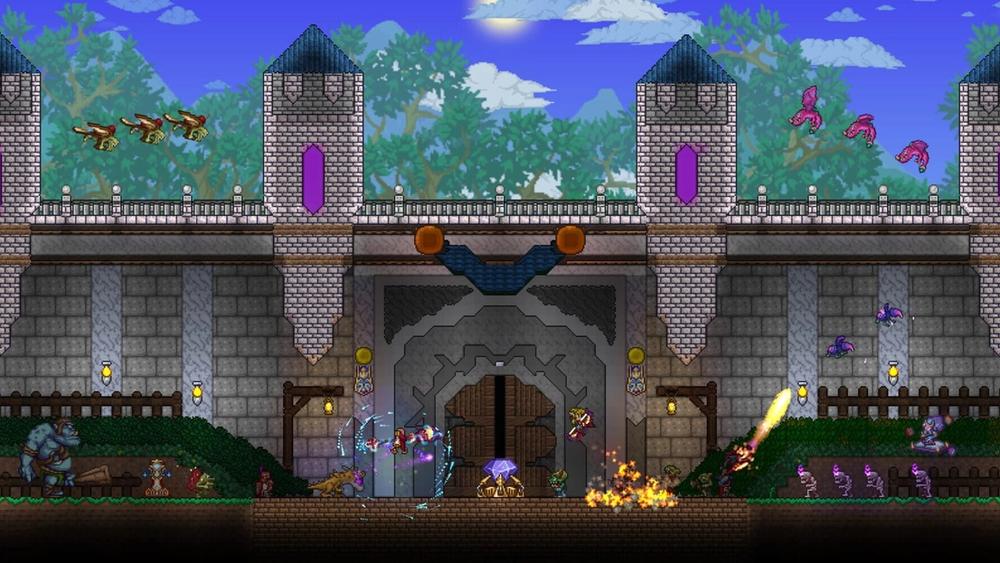
The best Terraria mods still worth installing in 2026 — plus the version gap nobody mentions: tModLoader runs 1.4.4, not the game's current 1.4.5.