Witcher 2 Story Recap: The Political Events That Shape Witcher 3
A complete Witcher 2 story recap covering the regicides, the Lodge of Sorceresses, and Nilfgaard's rise — everything you need before playing Witcher 3.

- The Witcher 2 is a story of political manipulation: king-assassin Letho was secretly working for Nilfgaard's Emperor Emhyr to destabilize the North.
- The Lodge of Sorceresses, led by Philippa Eilhart, wanted to control Northern politics through puppets — but their plan unraveled catastrophically at Loc Muinne.
- Every major faction in The Witcher 3 — Nilfgaard's invasion, Radovid's witch-hunts, the fractured North — traces directly back to Witcher 2's events.
What Is the Main Story of The Witcher 2: Assassins of Kings?
The Witcher 2: Assassins of Kings drops you into a Northern Kingdoms on the verge of collapse. Geralt of Rivia, the white-haired witcher, is falsely accused of assassinating King Foltest of Temeria — a crime he watched happen and could not prevent. The real killer is Letho of Gulet, a fellow witcher, who escapes into the chaos.
What follows is a masterclass in political intrigue. Geralt's hunt for Letho pulls him through two very different paths — either alongside the rebel elf Iorveth or the Temerian special operative Vernon Roche — each revealing different layers of the same conspiracy. By the final act, it becomes clear that the regicides were not random acts of violence but calculated moves in a geopolitical chess game orchestrated from Nilfgaard.
This story recap focuses on the political machinery beneath the surface: the king-killing plot, the secret sisterhood pulling strings behind thrones, and the empire to the south that set everything in motion. Understanding these events is essential context before starting The Witcher 3: Wild Hunt.

Who Killed the Kings and Why Does It Matter in The Witcher 3?
Three kings die before the credits roll on The Witcher 2. King Demavend of Aedirn is killed first, then King Foltest of Temeria. Depending on the player's path, King Henselt of Kaedwen may also fall. The assassin in every case is Letho — trained as a witcher from the School of the Viper, and physically capable of bypassing the magical protections that make royal bodyguards useless against sorcerers.
The motive is layered. Letho was initially recruited by the Lodge of Sorceresses, who wanted to remove Demavend because they judged him weak, volatile, and an obstacle to their plan of establishing a new egalitarian state in the Pontar Valley — one they would control through a puppet ruler named Saskia. But Letho had a different agenda: he was secretly serving Emperor Emhyr var Emreis of Nilfgaard, who needed the Northern Kingdoms fractured and leaderless before his armies crossed the border.
In The Witcher 3, the consequences of these assassinations define the entire map. The North is at war, leaderless, and incapable of mounting a unified defence against Nilfgaard. As noted by Eurogamer and multiple Witcher lore analysts, the political vacuum created in Witcher 2 is the direct reason Nilfgaard is already deep inside Northern territory when Witcher 3 begins. Radovid V of Redania — the one surviving Northern king with real power — has grown paranoid and tyrannical, launching brutal witch-hunts that you encounter throughout Witcher 3.

What Role Did the Lodge of Sorceresses Play in The Witcher 2?
The Lodge of Sorceresses is one of the most important — and least understood — factions in the Witcher saga. Founded after the mutiny on Thanedd Island (depicted in the novels), the Lodge replaced the destroyed Council of Sorcerers as a secret power structure. Its founding members, including Philippa Eilhart, Triss Merigold, Yennefer of Vengerberg, and several other powerful mages, shared a single aim: keep magic alive and influential in a world that increasingly feared and persecuted it.
Their strategy in Witcher 2 was to place sorceresses as advisors on thrones — or, better still, to put rulers on those thrones who would owe the Lodge everything. The Pontar Valley plan was their boldest move: engineer Demavend's death, support Saskia (a charismatic dragon disguised as a human warrior) as the leader of a free Pontar state, and install Síle de Tansarville as the power behind that throne. It was nation-building by conspiracy.
It collapsed. Letho used the Lodge's resources and then turned against them, murdering Síle and exposing the sisterhood's role in the regicides at the Loc Muinne summit. The fallout was catastrophic: Philippa Eilhart was blinded and imprisoned by Radovid, Ida and Keira went into hiding, and Francesca retreated to Dol Blathanna. By the time Witcher 3 opens, the Lodge barely exists as a functioning organization. Triss and Yennefer — two of the Lodge's most powerful members — are operating independently, each carrying the weight of the organization's failure.
How Does Nilfgaard's Rise in The Witcher 2 Shape The Witcher 3?
The true architect of everything in Witcher 2 is Emperor Emhyr var Emreis of Nilfgaard — a character who barely appears on screen but whose shadow falls across every scene. Emhyr hired Letho not out of cruelty but out of cold strategic logic: a North shattered by internal succession crises would be unable to resist a Nilfgaardian invasion. Letho, for his part, served Emhyr because Nilfgaard had promised resources to restore the witcher Schools — a promise that, characteristically, was never kept.
The result, as The Gamer and Witcher lore sources confirm, is the war that defines Witcher 3. By the time Geralt wakes from his amnesia, Nilfgaard has already conquered Cintra, crossed into the North, and is driving toward Novigrad and the Skellige isles. Emhyr's obsessive search for Ciri — revealed in Witcher 3 to be rooted in a dark dynastic ambition — is only possible because the North is too broken to stop him. Every battle you fight in Witcher 3, every burned village and refugee camp, is a downstream consequence of the conspiracy set in motion in Witcher 2.
If you're jumping straight into The Witcher 3, use the in-game 'The Witcher 2 Import' feature or the comic book intro to set your world state choices. Key decisions — whether Letho lives or dies, Henselt's fate, and the Iorveth vs. Roche path — all appear as references in Witcher 3 dialogue and quests. A few hours with this recap and those import screens will make Witcher 3's opening chapters dramatically richer.
Official Trailer

Click to load — YouTube (Google) cookies will be set
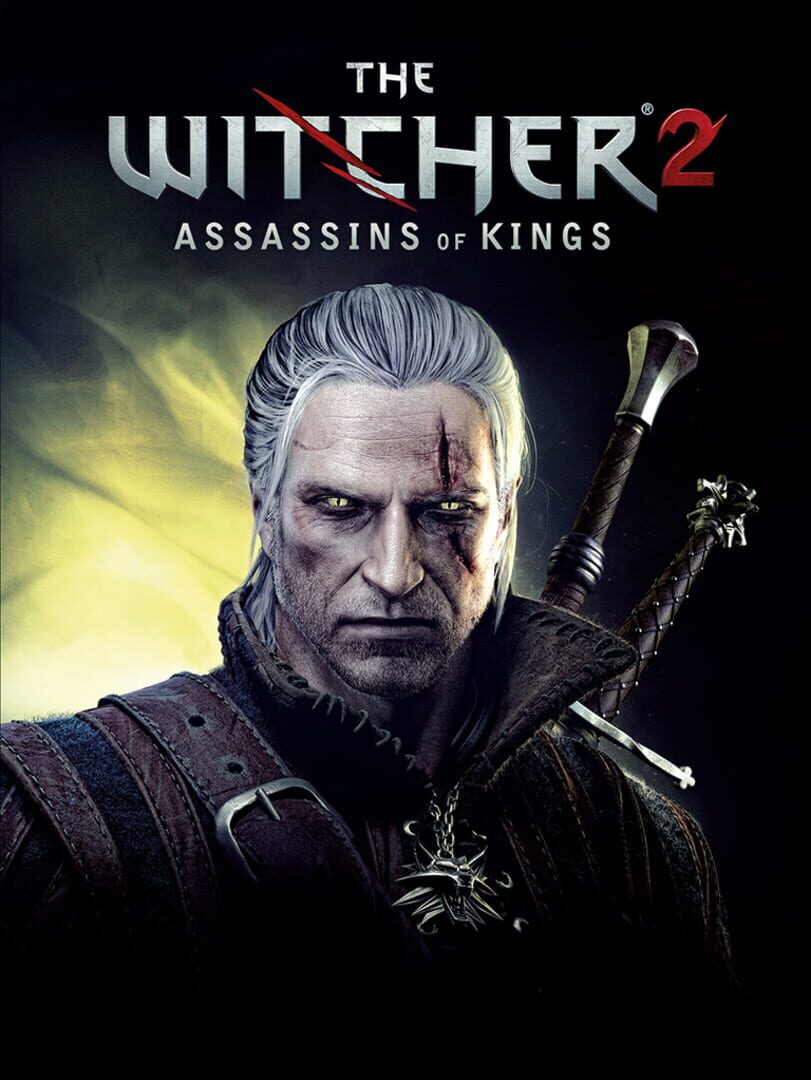
The Witcher 2: Assassins of Kings
- Developer
- CD Projekt RED
- Publisher
- CD Projekt RED
- Release Date
- May 17, 2011
- Platforms
- PC (Microsoft Windows) · Xbox 360 · Linux · Mac
- Genres
- Role-playing (RPG) · Adventure
You Might Also Like
The Witcher 2 Act II: Why Its Narrative Gamble Still Stands Alone
The Witcher 2's Iorveth vs Roche split created two entirely different Act IIs — a narrative gamble that changed RPG storytelling and has never truly been repeated.
Dragon Quest: Toriyama's 10 Most Iconic Monster Designs
Explore the 10 most iconic Dragon Quest monster designs by Akira Toriyama — from the beloved Slime to the fearsome Dragovian. Here's why they endure.

Metal Slug Sound Design: The Psychology Behind the Iconic Voice
How Metal Slug's lo-fi announcer voice became a global audio trademark more recognisable than most studio logos — and the psychology that made it stick.