Metal Slug Sound Design: The Psychology Behind the Iconic Voice
How Metal Slug's lo-fi announcer voice became a global audio trademark more recognisable than most studio logos — and the psychology that made it stick.
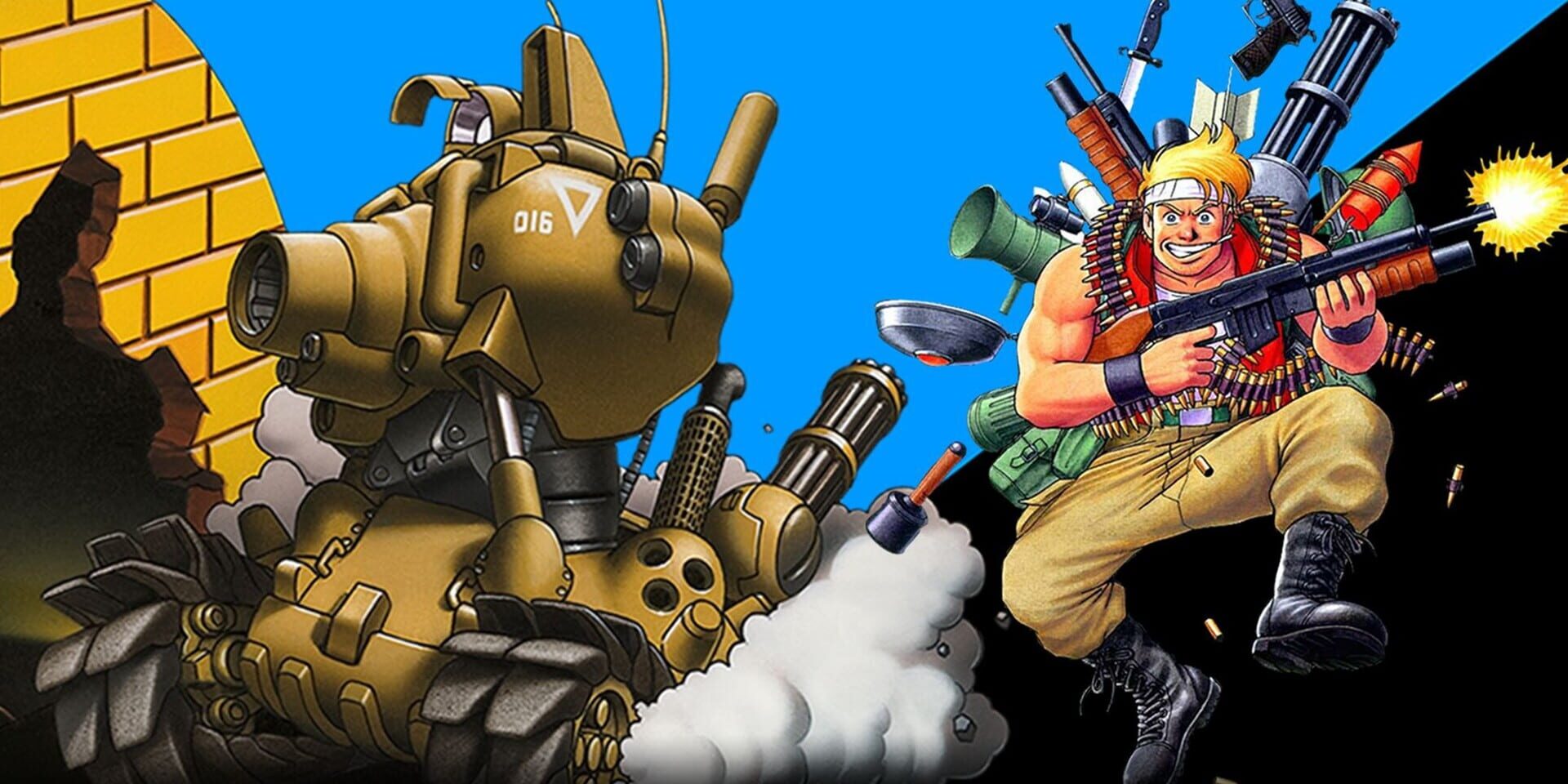
- Metal Slug's 'Heavy Machine Gun!' announcer was recorded in deliberately rough, low-fidelity English by a Japanese voice actor, creating an accidental charm that became the series' most recognised trademark.
- Sound director Takushi Hiyamuta designed the entire audio experience around a single rule: hit the player with everything in the first few seconds, because arcade coins run out fast.
- The lo-fi sample quality that once seemed like a technical limitation is now the exact reason the voice is instantly memorable — imperfection became the brand.
Why Did a Low-Quality Voice Sample Become One of Gaming's Most Iconic Sounds?
Metal Slug's sound design is a masterclass in accidental genius. When SNK and Nazca Corporation released the original arcade game in 1996, the voice that shouted 'Heavy Machine Gun!' was recorded in rough, low-fidelity English by a Japanese voice actor doing a deliberately exaggerated impression of Western action-movie bravado. Nobody planned for it to become a global catchphrase. It just did.
The technical limitations of the Neo Geo MVS hardware meant audio samples had to be compressed aggressively. That compression — the clipped highs, the boxy resonance, the slightly-too-loud delivery — stripped away anything smooth or polished. What remained was pure signal: urgency, energy, and a comedic sincerity that players worldwide recognised instantly.
Thirty years later, the voice clip appears in YouTube videos, meme compilations, and esports streams with zero explanation needed. It is, by any measure, one of the most efficient pieces of audio branding in video game history.

What Makes Metal Slug's Audio So Psychologically Sticky?
Sound director Takushi Hiyamuta — credited as 'HIYA!' in the game's credits — operated under a single design principle: arcade players insert a coin and have only minutes before their run ends. As he explained in retrospectives cited by VGMO and the Metal Slug 30th Anniversary liner notes, 'You have to give the player everything you've got right from the start.' Every audio cue was designed to reward and stimulate in the first three seconds of contact.
This philosophy aligns closely with what audio psychologists call 'earworm mechanics' — the conditions that make a sound impossible to forget. Short duration (under two seconds), unexpected tonal contour, and mild phonetic distortion all increase memorability. The Metal Slug announcer voice hits all three: it's brief, it rises unpredictably, and the mispronounced English ('Rock-it Lawnchair' for Rocket Launcher) introduces just enough cognitive dissonance to force the brain to process it twice.
Hiyamuta also drew inspiration from sources far outside traditional game audio — Thunderbirds, the British sci-fi puppet series, and progressive rock acts like Emerson, Lake & Palmer informed the game's orchestral-meets-military sonic palette. The result was a sound world that felt simultaneously cinematic and cartoonish, serious and self-aware.

How Did 'Heavy Machine Gun!' Become a Global Catchphrase?
The announcer's identity remains officially uncredited, but fan research on the Metal Slug Wiki and neo-geo.com forums has long pointed to Yoshihiko Wada as the voice behind the original calls. What Wada delivered was not polished localisation — it was an enthusiastic Japanese performer doing a theatrically broken English performance, the audio equivalent of a B-movie action one-liner. That inauthenticity is precisely why it works.
Cognitive branding research consistently shows that mild incongruity — something slightly 'off' from expectations — creates stronger memory traces than perfectly executed stimuli. The brain expends extra effort to process the anomaly, and that extra processing embeds the memory more deeply. 'Heavy Machine Gun!' is grammatically odd, phonetically clipped, and delivered at a volume that slightly clips the audio hardware. Every one of those 'flaws' is doing memory-encoding work.
By the time Metal Slug X arrived in 1999, SNK replaced the original announcer with a second voice actor whose style was even more exaggerated. As documented on the Metal Slug Fandom wiki, successive games introduced new announcers as new weapons and characters were added — but the sonic DNA remained constant: loud, brief, slightly absurd, and delivered with complete commitment.
Why Does Lo-Fi Audio Often Outperform High-Fidelity Production in Emotional Recall?
The Metal Slug audio paradox — where low sample quality produces higher cultural stickiness — is not unique to gaming. Music producers have known for decades that cassette tape hiss, vinyl crackle, and MP3 compression artefacts trigger nostalgia and emotional warmth precisely because imperfection signals 'this is real.' A perfectly clean digital signal sounds produced; a slightly rough sample sounds lived-in.
In Metal Slug's case, the Neo Geo MVS hardware's 7-bit ADPCM audio compression created a characteristic warmth in the voice samples — a slight crunch at the attack transients that made every weapon announcement feel physically present, like someone shouting in the same room. High-fidelity alternatives demoed by fan communities in later years consistently rate as 'clean but cold' compared to the originals. The limitation was the feature.

What Can Modern Game Developers Learn From Metal Slug's Audio Design?
The Metal Slug legacy offers a clear lesson that expensive production does not automatically equal memorable design. The series' successive composers — Toshikazu Tanaka and Manabu Namiki following Hiyamuta — maintained the same principle across evolving technology: prioritise personality over polish. As reviewed in VGMO's analysis of the Metal Slug Complete Sound Box, the music and audio consistently earned praise not for technical sophistication but for its 'commanding and breathtaking' personality.
SNK's approach also demonstrates the power of audio consistency across a franchise. The 30th Anniversary release (reviewed by Materia Collective) celebrated a sound palette that had remained recognisable across decades and dozens of platforms — from Neo Geo MVS cartridges to iOS apps. That consistency built a Pavlovian association: hear the crunch of a Metal Slug weapon pickup, and the brain immediately supplies the context, the nostalgia, and the identity.
If you're building a game with limited audio resources, study Metal Slug before you study AAA productions. Brevity, commitment, and a touch of deliberate imperfection consistently outperform clean but generic voice work. The most memorable game audio often sounds exactly like itself — nothing else on the market, for better or worse.
Official Trailer
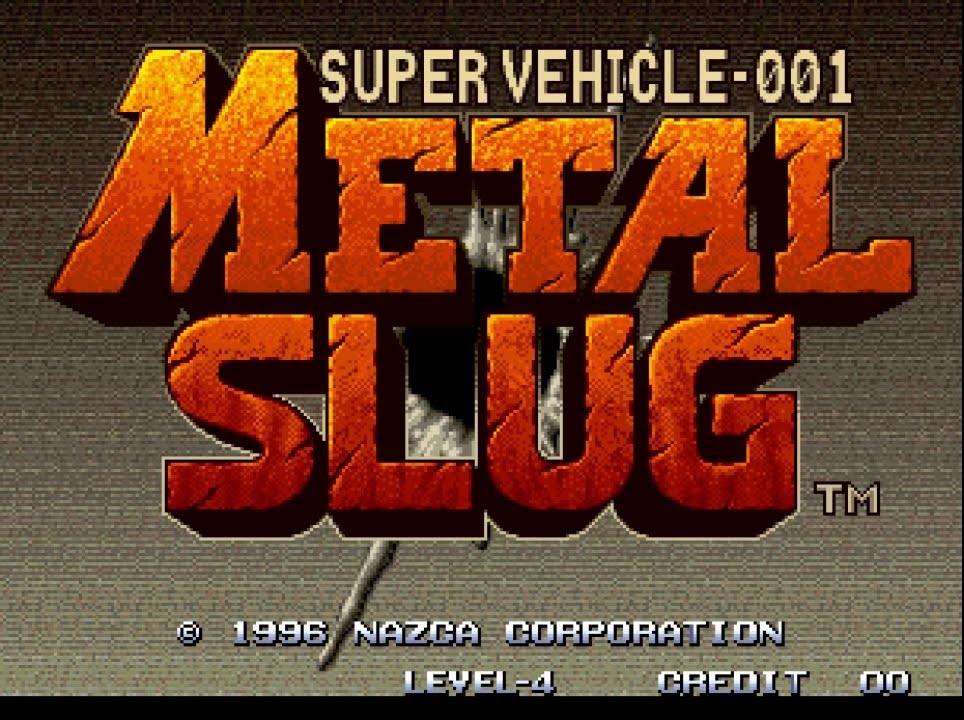
Click to load — YouTube (Google) cookies will be set

Metal Slug
- Developer
- Nazca Corporation
- Publisher
- SNK
- Release Date
- April 19, 1996
- Platforms
- Arcade · Neo Geo AES · Neo Geo CD · PlayStation 3 · PSP · PC (Windows) · iOS · Android · Mac · Linux · Wii
- Genres
- Shooter · Platform · Arcade
You Might Also Like
Metal Slug: The Story of the Geniuses Behind the Game
How ex-Irem rebels founded Nazca Corporation, built a tank-only prototype, and created Metal Slug — the run-and-gun masterpiece that defined SNK's Neo Geo legacy.
Metal Slug Pixel Art: Why No One Draws Like SNK?
Metal Slug's pixel art set a standard no studio has matched in 30 years. Discover how Nazca Corporation turned Neo Geo hardware into an interactive cartoon.

Dragon Quest: Toriyama's 10 Most Iconic Monster Designs
Explore the 10 most iconic Dragon Quest monster designs by Akira Toriyama — from the beloved Slime to the fearsome Dragovian. Here's why they endure.